How To Choose The Right Solar Panel System For Your Roof In Wagga
Switching to solar is one of the smartest long-term investments homeowners in Wagga can make. With strong regional sunlight, rising electricity prices and growing interest in energy independence, more residents are exploring solar panels in Wagga Wagga to reduce their power bills and future-proof their homes.
However, not all solar systems are the same. Choosing the right setup requires careful consideration of your roof design, energy usage, panel technology and budget. This guide outlines the key factors to help you confidently select the best solar solution for your property.
1. Assess Your Roof Orientation and Angle
Your roof plays a major role in how efficiently your system will perform.
North-Facing Roofs (Ideal in Australia)
In Wagga Wagga, north-facing panels typically generate the highest annual output because they receive the most consistent sunlight throughout the day.
East or West-Facing Roofs
East-facing panels capture strong morning sun, while west-facing panels perform well in the afternoon. These orientations can still produce excellent results, especially if your household uses more power during those times.
South-Facing Roofs
South-facing panels generally generate less energy, but in some cases, partial system placement may still be viable depending on roof pitch and shading.
Roof Pitch
The ideal tilt angle in Wagga is typically between 20–30 degrees. However, most standard roof pitches perform well without requiring adjustment. If your roof angle or direction isn’t ideal, a professional assessment ensures panels are positioned to maximise output.
2. Evaluate Shading and Obstructions
Even small amounts of shading can significantly reduce system efficiency. Common shading sources include:
- Nearby trees
- Chimneys
- Satellite dishes
- Adjacent buildings
If shading is unavoidable, micro-inverters or power optimisers may be recommended. These technologies allow each panel to operate independently, reducing the impact of partial shade. When planning solar panels Wagga homeowners prefer, a site inspection helps determine the most productive layout.
3. Understand Your Household Energy Usage
Before selecting a system size, it’s important to understand how much electricity your household consumes. Review your recent power bills to identify:
- Average daily usage (kWh)
- Peak usage periods
- Seasonal variations
For example:
- Families with high air-conditioning use during summer may require larger systems
- Households with electric hot water or pool pumps typically use more energy
- Homes planning to install EV chargers may benefit from larger capacity systems
Matching your system size to your energy needs ensures better savings and return on investment.
4. Choose the Right Panel Type
Not all solar panels are created equal. The three main types available in the Australian market are:
Monocrystalline Panels
- High efficiency
- Sleek appearance
- Strong performance in limited space
- Typically higher cost
Polycrystalline Panels
- Slightly lower efficiency
- More affordable
- Good value for larger roof areas
Thin-Film Panels
- Lightweight and flexible
- Less common for residential homes
- Lower efficiency compared to crystalline panels
For most homes installing solar panels in Wagga Wagga, monocrystalline panels are popular due to their efficiency and performance.
5. Inverter Selection Matters
The inverter converts the electricity generated by panels into usable power for your home. There are three common options:
String Inverters
- Most cost-effective
- Suitable for roofs with minimal shading
Micro-Inverters
- Installed on each panel
- Ideal for shaded or complex roof layouts
Hybrid Inverters
- Compatible with battery storage
- Future-ready for energy storage upgrades
If you are considering adding a battery later, selecting a compatible inverter from the start is a smart move.
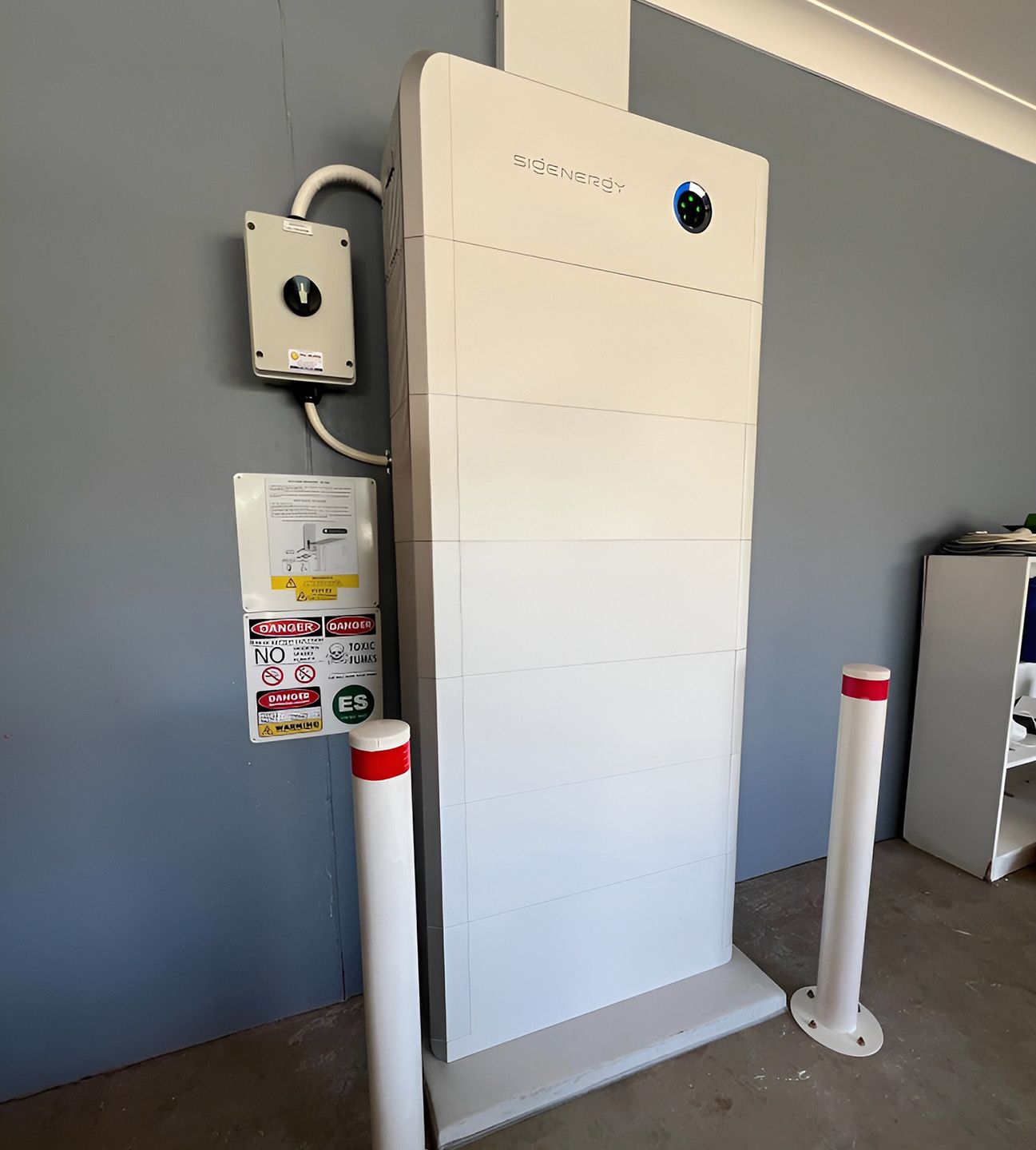
6. Consider Battery Storage Options
While not essential for every home, battery storage can increase energy independence. Benefits of adding a battery include:
- Using stored solar energy at night
- Reduced reliance on the grid
- Protection during power outages
- Better control over electricity costs
In Wagga, where sunlight is strong but electricity prices fluctuate, adding storage may provide long-term financial benefits — particularly for households with high evening energy use.
7. Budget and Return on Investment
When considering solar panels Wagga property owners choose, cost is naturally a key factor. System pricing varies depending on:
- System size (kW capacity)
- Panel quality
- Inverter type
- Installation complexity
- Roof accessibility
While lower-cost systems may seem appealing, quality components often provide better long-term value. When evaluating quotes, consider:
- Warranty length (panels often 25 years)
- Inverter warranty (typically 5–10 years)
- Installation workmanship guarantee
- Estimated payback period
In Wagga Wagga’s sunny climate, many households see strong returns over time through reduced energy bills.
8. Check Local Regulations and Grid Requirements
Every installation must comply with NSW electrical standards and network requirements. A qualified installer ensures:
- Proper grid connection approval
- Safety compliance
- Correct metering setup
- System certification
Working with experienced professionals reduces risk and ensures your system operates safely and legally.
9. Think About Future Energy Needs
Your energy usage today may not reflect future demands. Consider whether you plan to:
- Install an electric vehicle charger
- Add air conditioning
- Build an extension
- Upgrade appliances
Choosing a slightly larger system upfront can prevent costly upgrades later.
10. Professional Installation Is Essential
The performance of solar in Wagga depends heavily on correct installation. Professional installers ensure:
- Panels are securely mounted
- Wiring is safely configured
- System output is optimised
- Compliance standards are met
Improper installation can reduce efficiency and void warranties.
Making the Right Solar Choice in Wagga
Installing solar panels in Wagga Wagga is a practical way to lower electricity bills and increase energy independence. However, selecting the right system requires more than simply choosing the cheapest option. By considering roof orientation, shading, panel and inverter type, household energy usage, budget, long-term goals, compliance and installation quality, you can confidently choose a system that suits your home and lifestyle.
Book a Consultation
With Wagga’s strong sunlight and growing demand for renewable energy, now is an ideal time to invest in
solar panels in Wagga Wagga — provided the system is carefully matched to your roof and energy needs. To book a consultation,
contact Des Mullins Electrical & Solar today.