What Are The Signs You Need An Electrician In Wagga For Solar Repairs?
Solar systems are built to run reliably for years, but they’re not maintenance-free. Like any electrical system, they can develop faults, experience component degradation and produce warning signs that something isn’t right. For homeowners and small business owners in Wagga Wagga who have invested in solar, knowing what those signs look like — and what to do about them — can make the difference between catching a problem early and facing a much more significant repair down the track.
This guide covers the most common indicators that your solar system needs attention, the electrical faults that can reduce solar performance, and when it’s time to call a qualified electrician in Wagga rather than attempting to investigate yourself.
Why Solar Repairs Shouldn’t Be Ignored
A solar system that isn’t performing correctly isn’t just leaving money on the table through reduced energy generation. Electrical faults in a solar installation can present genuine safety risks — arc faults, DC wiring issues and inverter failures all carry potential hazards that go beyond an efficiency problem. Solar systems operate at DC voltages that can be dangerous even when the grid is disconnected, and the combination of rooftop exposure and high electrical energy density makes prompt attention to any fault important.
There is also a financial dimension to ignoring solar system issues. A system generating at 60 or 70 per cent of its expected output because of a fault that hasn’t been identified is costing its owner on every electricity bill. The cumulative cost of delayed repair typically exceeds the cost of fixing the issue when it first appeared.
Common Warning Signs Your Solar System Needs Repair
Solar faults don’t always announce themselves loudly. Some are visible in performance data; others only become apparent through physical inspection. The most common warning signs that a solar system in Wagga needs professional assessment include:
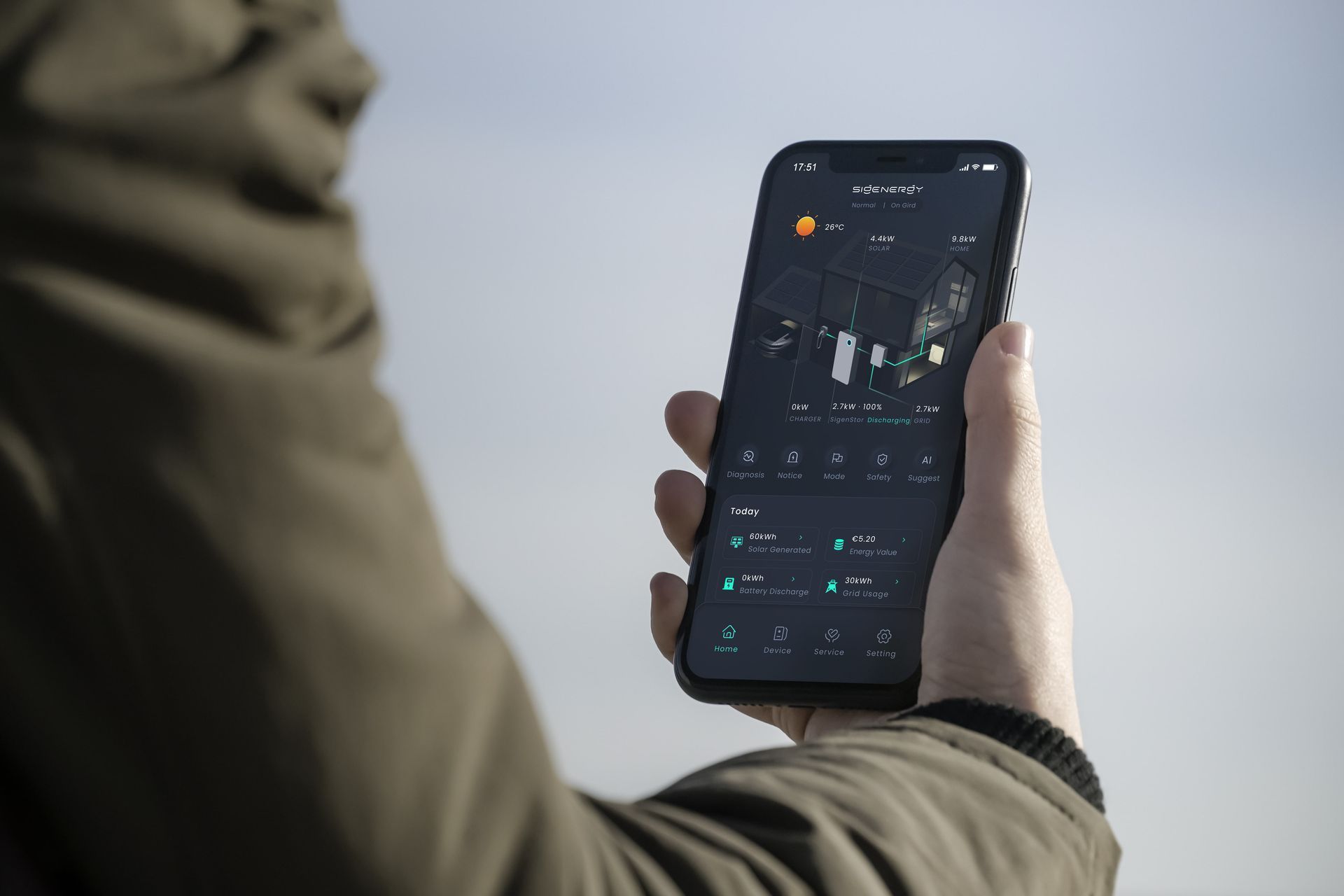
- Unexpected drop in energy generation: if your solar app or inverter display shows a significant decline in daily or monthly output that isn’t explained by weather or season, an underlying fault is the most likely cause
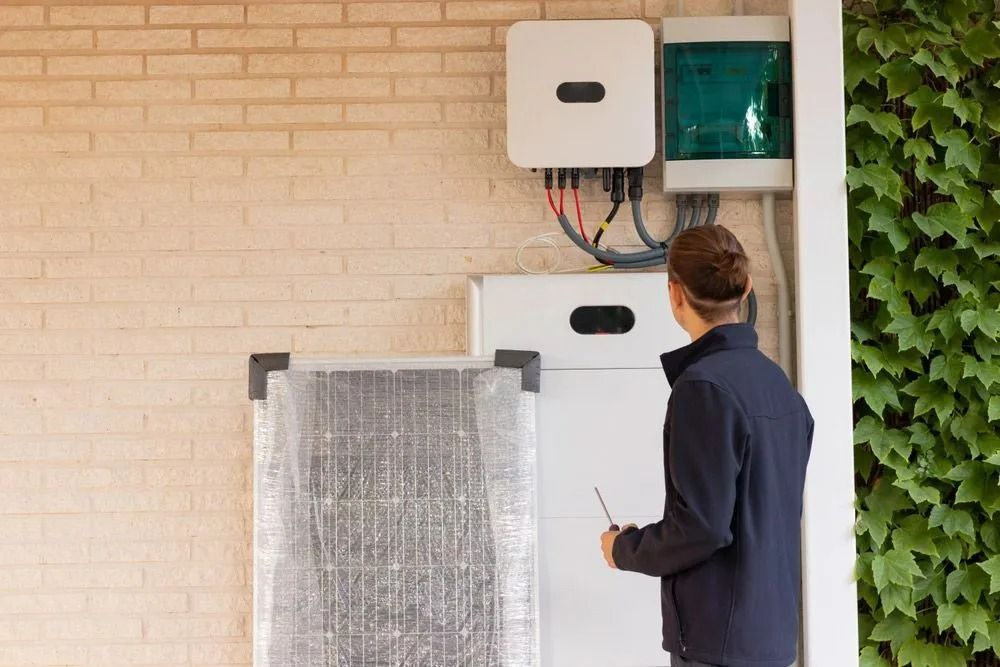
- Inverter error codes or fault lights: modern inverters display error codes when they detect a fault. These codes are specific to the fault type and are one of the clearest signals that professional inspection is needed
- Inverter making unusual sounds: clicking, buzzing or humming sounds from an inverter that wasn’t previously noisy indicate internal component issues
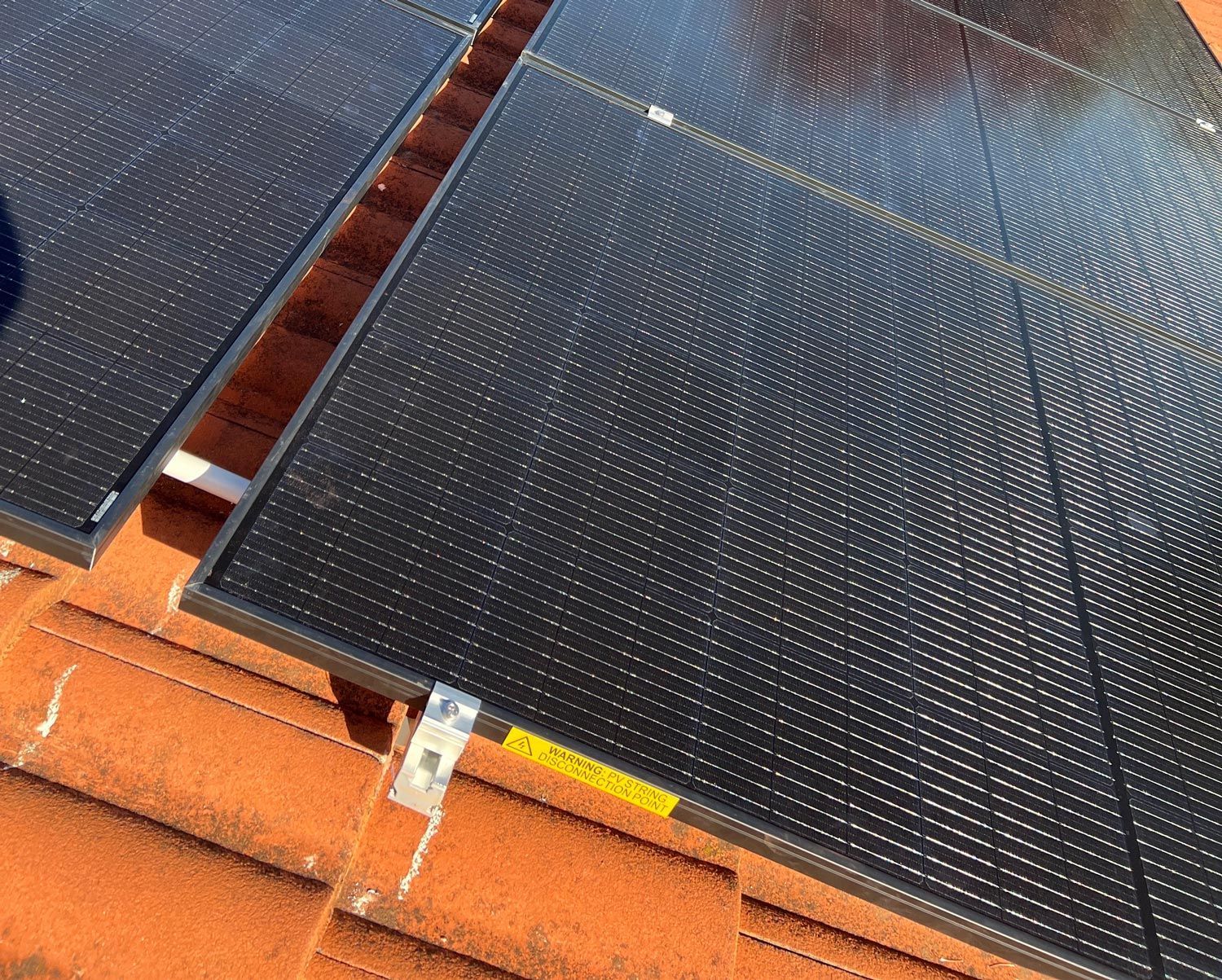
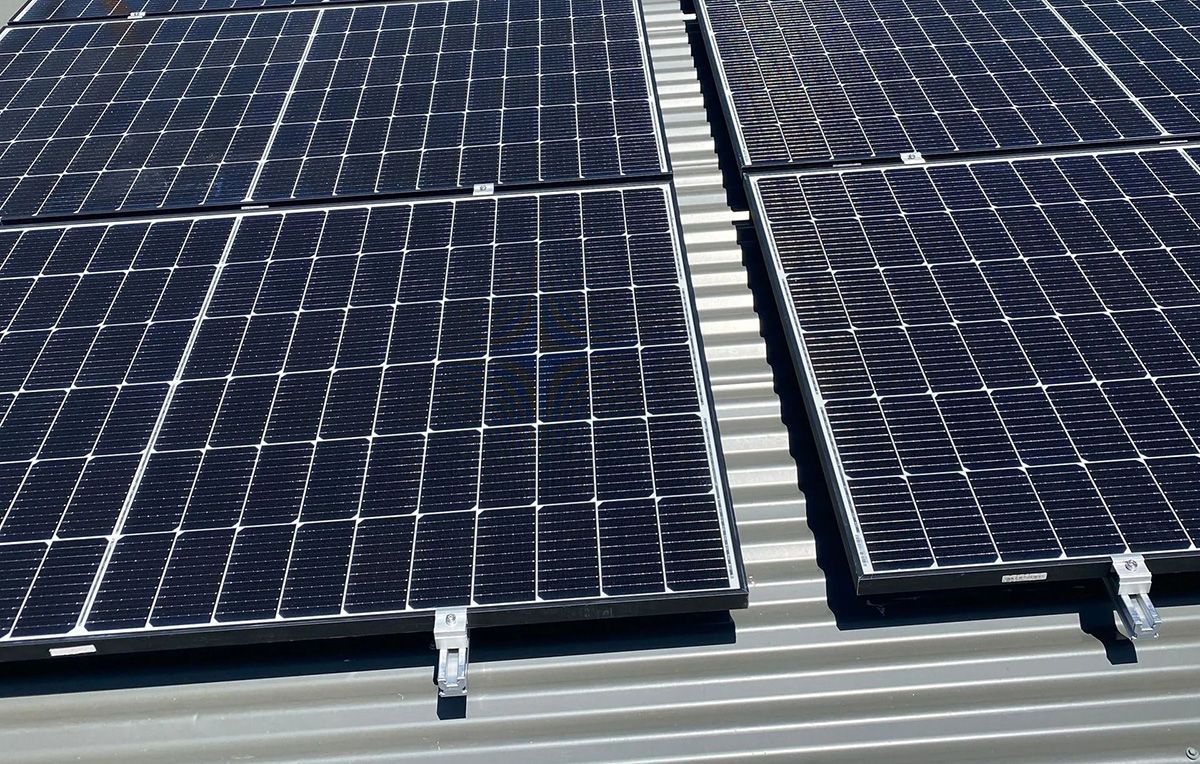
- Visible damage to panels, wiring or mounting hardware: storm damage, cracked glass, discolouration of cells, damaged conduit or loose mounting brackets are all visible indicators that require inspection
- Hot spots or discolouration on panels: these can indicate cell damage or connection issues and may be visible as irregular patterns on the panel surface
- Tripping safety switches or circuit breakers: a solar-related circuit that repeatedly trips is a signal of a fault in the electrical installation that needs investigation
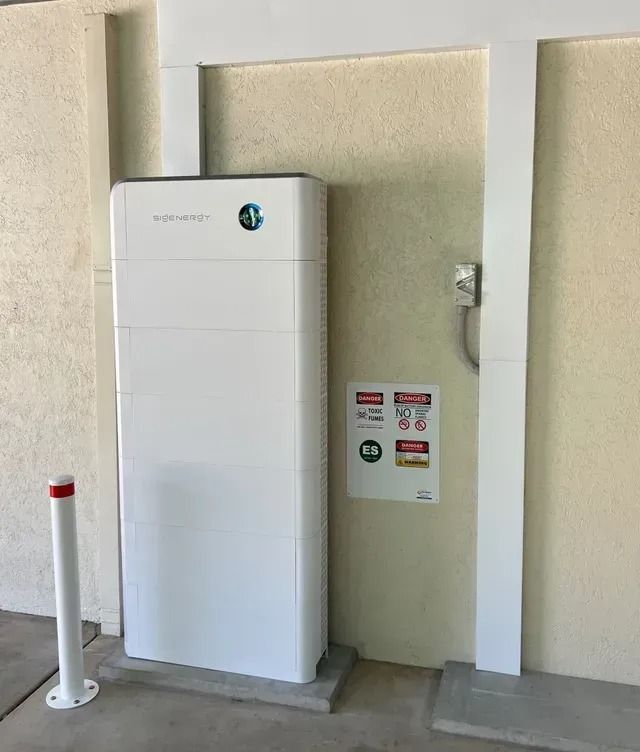
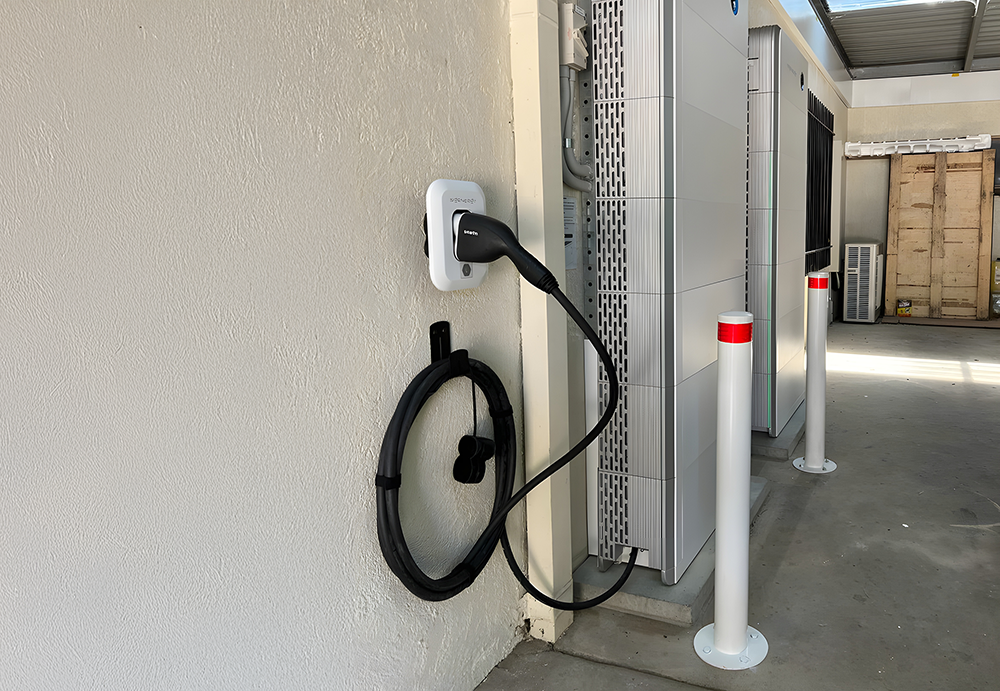
If your system has an integrated solar battery and you notice it charging or discharging in an unexpected pattern, that can also indicate an issue with the wider system rather than just the battery itself.
How Electrical Faults Can Impact Solar Panel Performance
Solar systems involve two distinct electrical environments: the DC side, which runs from the panels through to the inverter, and the AC side, which connects the inverter output to the home’s electrical distribution board and the grid. Faults on either side affect performance differently.
On the DC side, common issues include micro-cracks in cells that develop over time, soiling or shading that creates mismatches between panels in a string, connection degradation in the wiring and cabling from the panels to the inverter, and bypass diode failures within the panel itself. These faults can significantly reduce output from an affected panel or string without being immediately obvious.
On the AC side, faults in the connection between the inverter and the main switchboard, issues with the protection devices required under the Australian Standards for grid-connected solar systems, and deterioration of components within the inverter itself are the most common causes of performance loss and safety concerns. An inverter operating outside its normal temperature range or with a failing cooling system can also reduce output and lifespan.
DIY vs Calling a Licensed Electrician: When to Make the Call
There are a small number of things a solar system owner can safely check themselves, and a much larger range of things that require a licensed electrician and, for DC solar work, a licensed electrical contractor with relevant solar experience. Understanding the boundary matters.
What you can safely check yourself:
- Review inverter display data and error codes (consulting the manufacturer’s manual)
- Check that the inverter isolation switch is in the correct position
- Look for obvious physical damage to panels or mounting visible from the ground
- Review generation data in your monitoring app or portal for output trends
What requires a licensed electrician or solar technician:
- Any work on the DC wiring, connectors or junction boxes
- Inverter replacement or internal inspection
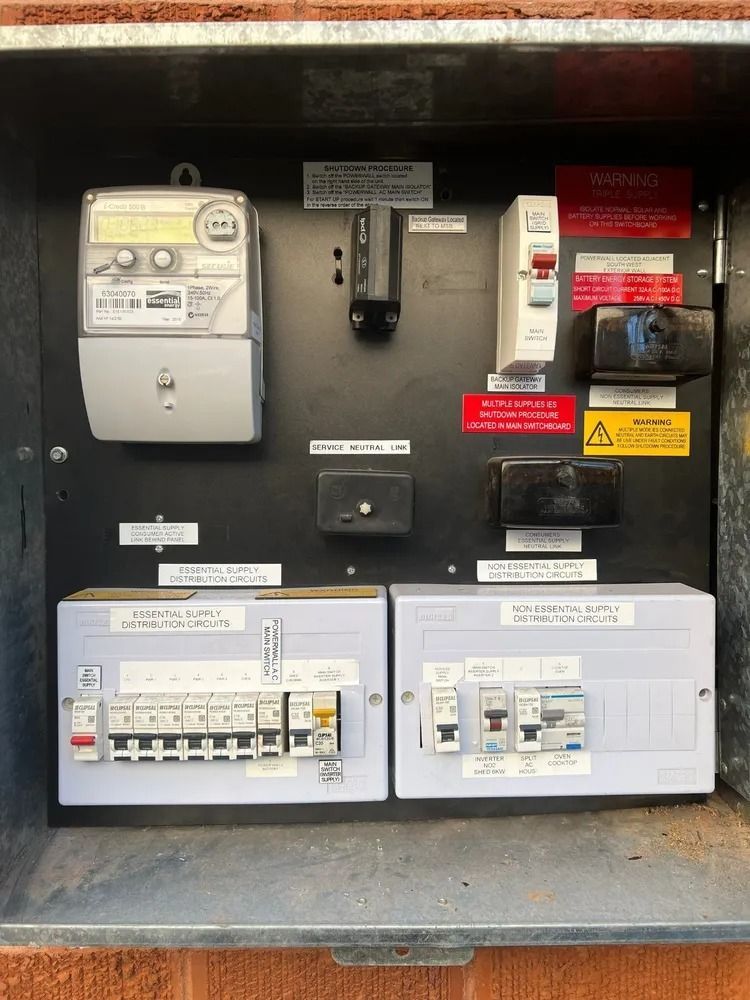
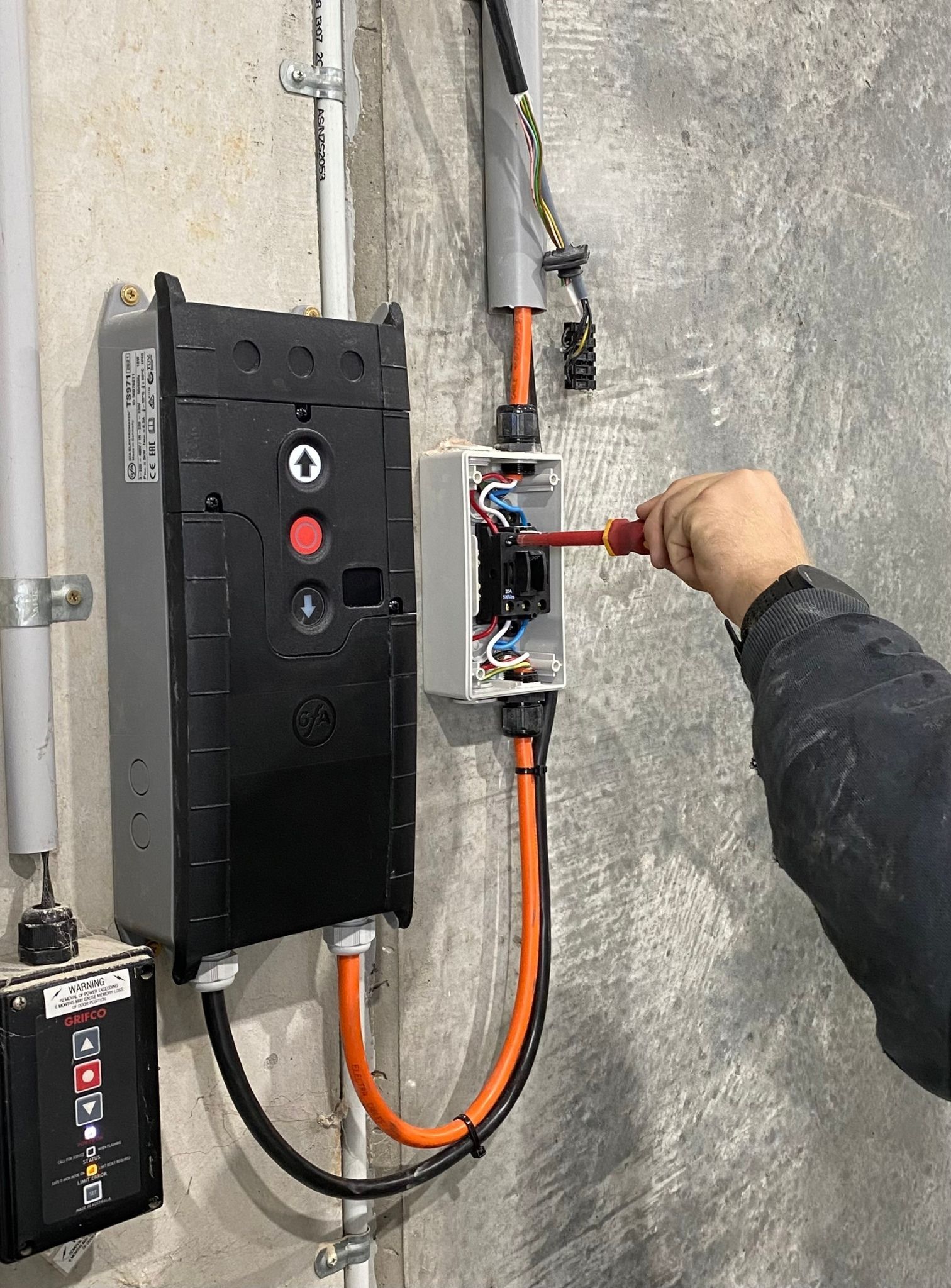
- Switchboard connections and protection device testing
- Fault diagnosis using specialist test equipment
- Any repair or modification to the roof-mounted array or conduit
Our article on why you should always hire a licensed electrician in Wagga Wagga covers the regulatory and safety reasons for this in more detail — particularly relevant for solar work where the consequences of unlicensed intervention can include voided warranties, insurance issues and serious safety risks.
Why Choose Des Mullins Electrical & Solar for Solar Repairs in Wagga
Des Mullins Electrical & Solar is a locally based, licensed electrical contractor with experience in solar installation, servicing and repair across Wagga Wagga and the surrounding Riverina region. Our team understands both the electrical and solar-specific aspects of these systems, which matters because effective solar fault diagnosis requires competence in both areas — not just general electrical work, and not just panel-level knowledge.
Our solar panel services in Wagga Wagga cover new installations and repairs for both residential and commercial properties. If you’ve noticed any of the warning signs covered in this article, or if your system simply hasn’t been inspected for an extended period, a professional assessment will give you a clear picture of what’s working, what isn’t and what, if anything, needs attention.
As a trusted local
electrician in Wagga, we provide solar repair assessments, fault diagnosis and rectification work for homeowners and business owners across the region. Our team is licensed, insured and familiar with the Wagga Wagga and Riverina conditions that affect solar system performance over time.
Arrange a Solar System Assessment in Wagga
If you’ve noticed a drop in your system’s output, an inverter displaying error codes, or any of the other warning signs covered in this guide, getting a professional assessment sooner rather than later is the most cost-effective response. Des Mullins Electrical and Solar offers solar system inspections and fault diagnosis for Wagga homeowners and businesses.
Call us or
contact our team online to arrange an inspection.