Where Energy Loss Happens In Solar Power Systems (And How To Fix It)

Des Mullins Electrical & Solar • August 14, 2026

Most homeowners are surprised to learn that a solar power system rarely converts all available sunlight into usable electricity. Energy is lost at multiple points between the panel and the powerpoint — and in many systems, those losses are larger than they need to be. Understanding where the leakage happens is the first step to getting more out of your investment in solar power systems in Wagga Wagga.

Where Does Energy Loss Typically Occur in Solar Power Systems?

Energy loss in a solar system isn't a single problem with a single fix. It happens across several components and conditions, and the cumulative effect can be significant.


The main sources of loss include inverter conversion inefficiency, wiring resistance, shading from trees or structures, panel soiling, temperature-related performance drops, and energy that's generated but can't be used or stored. Each of these has a different cause and a different solution — and in well-designed solar power systems in Wagga Wagga, many of them are avoidable from the outset.


Understanding how solar panels in Wagga Wagga work at a basic level makes it much easier to identify where your own system might be underperforming.

How Inverter and Wiring Inefficiencies Affect Performance

The inverter is where your panels' DC electricity gets converted into the AC electricity your home actually uses. That conversion process isn't perfectly efficient — some energy is lost as heat during the process. A quality inverter operating at its optimal range will handle this well, but an undersized, ageing, or faulty inverter can introduce losses that quietly drag down your system's output over time.


Wiring is another source of resistance loss that's easy to overlook. Longer cable runs, undersized cable, poor connections, and corroded terminals all add resistance to the circuit — and resistance means energy converted to heat rather than delivered to your home. This type of loss is particularly common in systems where the roof array is a significant distance from the inverter or switchboard.


The fix for both comes down to quality at the installation stage and regular checks thereafter. An inverter that's correctly sized for your system, paired with properly rated cabling and tight, clean connections, will outperform a poorly specified or ageing setup every time.

The Impact of Shading, Dirt, and Poor Installation on Energy Loss

Shading is one of the most significant and most underestimated sources of solar energy loss. A single shaded panel in a string system can drag down the output of every other panel connected to it — not just the shaded one. Even partial shading from a nearby tree branch, a neighbouring roofline, or a TV antenna can have an outsized effect on whole-system performance.


Dirt and soiling work similarly. Dust, bird droppings, pollen, and leaf litter reduce the amount of light reaching the cells. In a dry inland region like Wagga Wagga, dust accumulation between rain events can be a consistent drag on output, particularly for panels installed at a low tilt angle that don't self-clean as effectively.


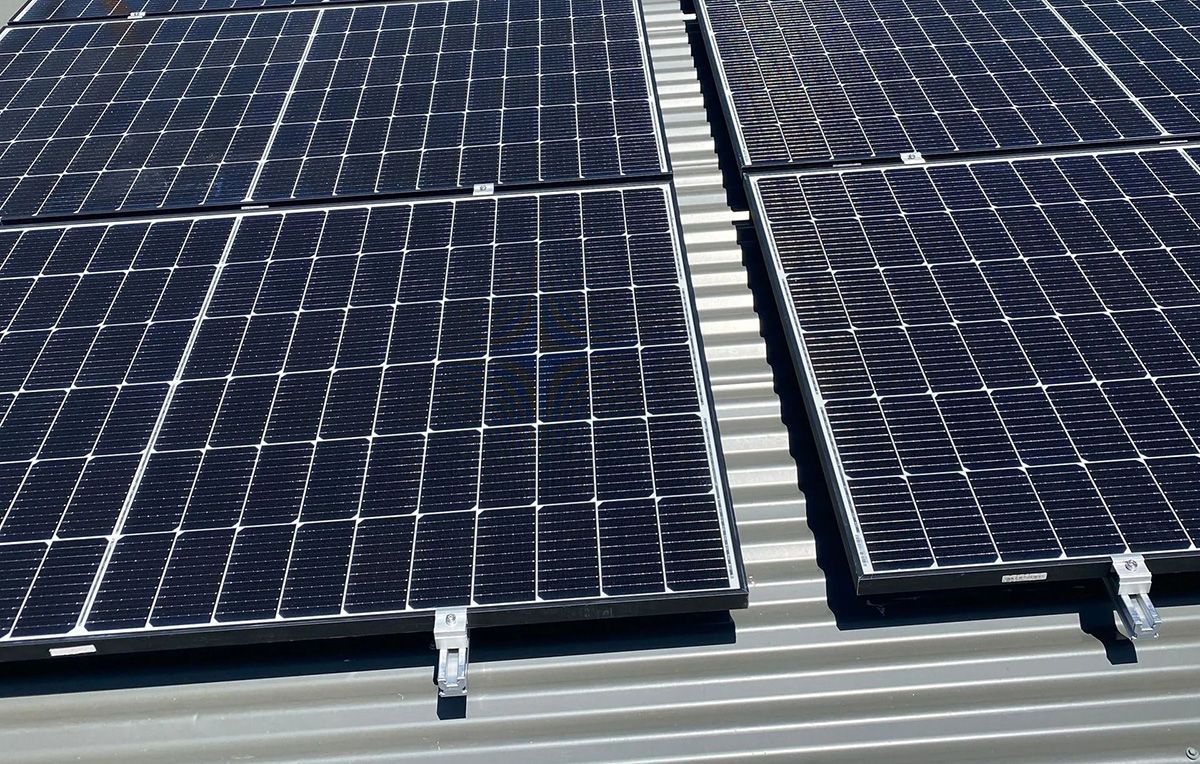
Poor installation compounds both problems. Panels installed at the wrong angle or orientation, systems without shade mitigation technology like microinverters or DC optimisers, and arrays positioned without adequate consideration of seasonal sun paths will underperform regardless of panel quality. Choosing the right setup from the start matters — and that starts with choosing the right solar panels for your roof and your energy profile.

How Solar Batteries Help Reduce Wasted Energy

One of the most common and least discussed forms of solar energy loss is generation that simply goes to waste. If your system is producing more power than your home is using at that moment, the excess is typically exported to the grid — often at a feed-in tariff rate that's considerably lower than the retail rate you pay to buy electricity back later.


A battery system captures that excess generation and stores it for use when the panels aren't producing — in the evening, on overcast days, or during peak demand periods. For households and small businesses in Wagga Wagga that are away from home during the day, a battery can dramatically increase the proportion of solar energy that actually displaces grid electricity purchases.


Battery storage doesn't eliminate all system losses, but it addresses the specific problem of generation that would otherwise be sold cheaply and bought back expensively. Solar batteries in Wagga Wagga are increasingly viable as battery costs continue to fall and grid electricity prices remain high.

Getting the Most Out of Your Solar System in Wagga Wagga

Reducing energy loss in an existing system starts with knowing where the losses are. A system performance check — comparing your actual output against what your system should theoretically be producing based on your location, panel capacity, and current conditions — can identify whether underperformance is coming from the inverter, shading, soiling, or wiring.


For those still in the planning stage, the decisions made when installing solar power systems in Wagga Wagga have the biggest long-term impact. Panel orientation, tilt angle, shading analysis, inverter sizing, cable specification, and battery integration all affect how efficiently the system operates for its entire lifespan — typically 25 years or more.


In Wagga Wagga's climate, with high solar irradiance and reliable sunshine across much of the year, a well-designed and well-maintained system should perform consistently well. The gap between a good system and a great one often comes down to the details that are easiest to overlook.

Get More From Your Solar Investment — Talk to Des Mullins Electrical & Solar

At Des Mullins Electrical & Solar, we design, install, and service solar power systems across Wagga Wagga and the surrounding Riverina region. Whether you're looking to improve the performance of an existing system, add battery storage, or start from scratch with a system sized for your actual energy use, our team can help you get there.


We're local, we're CEC-accredited, and we understand the conditions that affect solar performance in this part of NSW. If your system isn't performing the way it should — or you want to make sure a new one will — get in touch with our team for an obligation-free conversation.

Frequently Asked Questions

  • Why is my solar system not producing as much power as expected?

    Underperformance is usually caused by one or more of the following: inverter issues, shading from trees or structures, panel soiling, wiring faults, or a system that was undersized or poorly installed from the start. A performance audit comparing your actual output to your system's expected output can help identify the cause.

  • Does shading really affect the whole solar system?

    In a standard string inverter system, yes. When one panel in a string is shaded, it can reduce the output of every panel in that string, not just the shaded panel. Microinverters and DC optimisers are designed to isolate each panel so that shading on one doesn't drag down the others.

  • How often should solar panels be cleaned?

    In most residential settings, rainfall is enough to keep panels reasonably clean. In dusty inland areas like Wagga Wagga, particularly for panels at a low tilt angle, periodic cleaning may improve output. Annual checks are a reasonable starting point — more frequently if you notice a sustained drop in generation.

  • Do solar batteries actually save money?

    For most households that use significant electricity in the evening or run appliances overnight, yes. The savings depend on your feed-in tariff rate, your retail electricity rate, your battery's capacity, and how well your usage patterns match your generation profile. A properly sized battery avoids selling cheap and buying expensive.

  • How long do solar inverters last?

    Most quality inverters are warranted for 10 years and have an expected lifespan of 10 to 15 years, compared to solar panels which typically carry 25-year performance warranties. Inverter replacement is a normal part of owning a solar system over its full lifespan and is worth factoring into long-term cost calculations.

Electrician In Wagga
By Des Mullins Electrical & Solar July 22, 2026
Spot the signs you need an Electrician In Wagga for solar repairs before issues worsen. Learn more and book expert help today.
Close-up of a Safety Switches in Wagga
By Des Mullins Electrical & Solar July 10, 2026
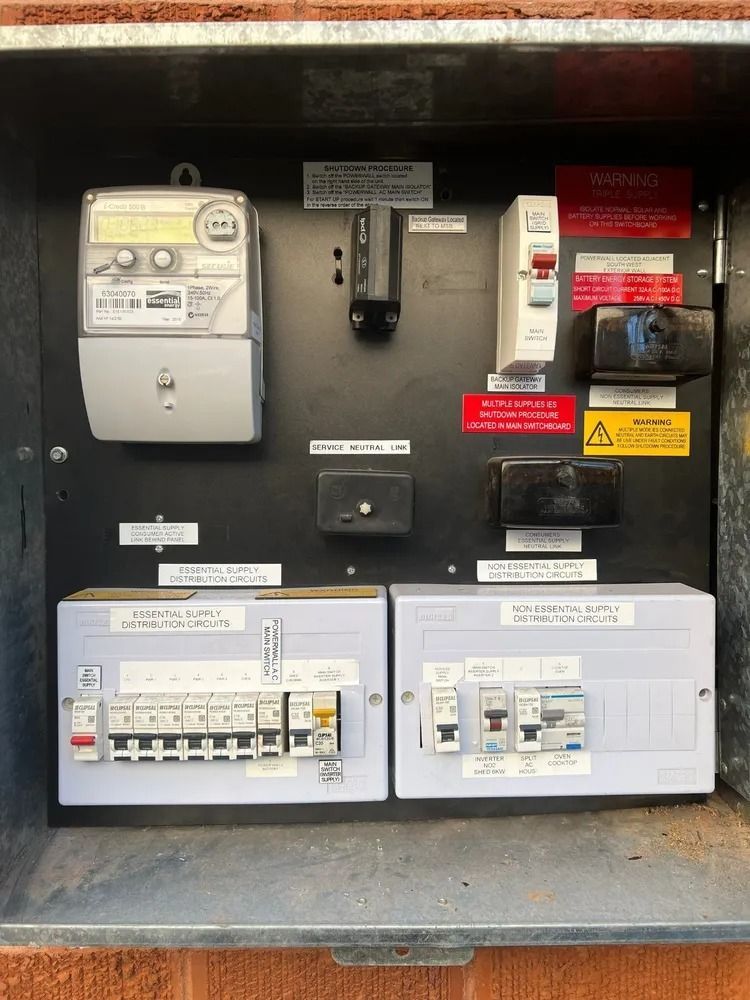
Safety switches protect your Wagga Wagga home from electric shock. Learn how they work, why they're essential, and when to upgrade yours.
Construction Worker Gives Thumbs Up — Des Mullins Electrical & Solar in Wagga Wagga, NSW
By Des Mullins Electrical & Solar February 5, 2026
Learn how hiring a local electrician in Wagga Wagga boosts home safety, ensures compliance and improves efficiency this year.
A Licensed Electrician Upgrading A Lighting — Des Mullins Electrical & Solar in Wagga Wagga, NSW
By Des Mullins Electrical & Solar October 28, 2025
Hire a licensed electrician to ensure safety and quality workmanship. Discover why professional expertise matters—read the full blog now.
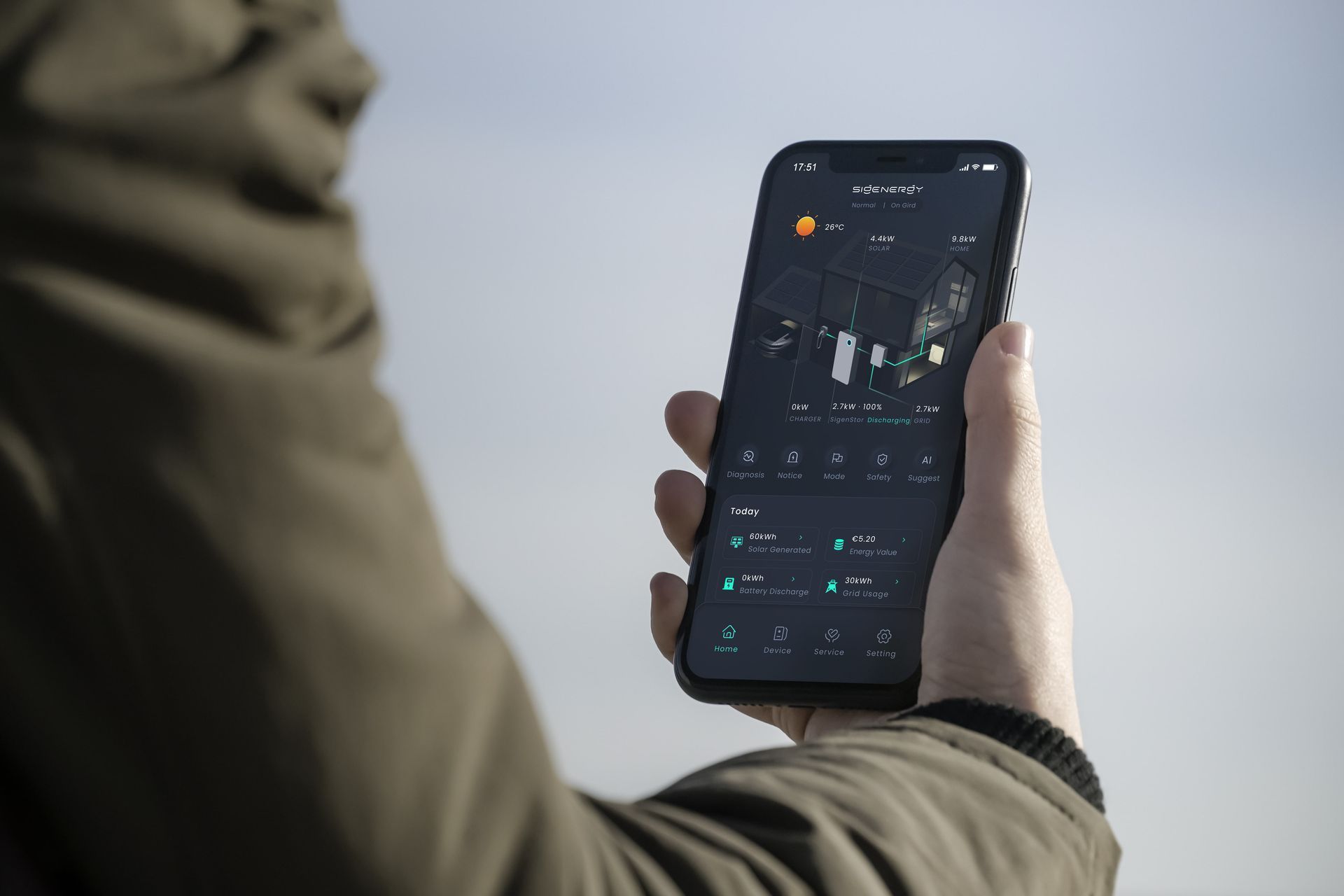
Close-up Image of Someone Holding a Phone, Looking at the Mysigen App — Des Mullins Electrical & Sol
By Des Mullins Electrical & Solar September 25, 2025
Maximise your solar savings with smart energy control. Des Mullins Electrical & Solar shows how the mySigen app helps Wagga homes—download today!
Home EV Charger On Wall — Des Mullins Electrical & Solar in Wagga Wagga, NSW
By Des Mullins Electrical & Solar August 22, 2025
Boost your home’s efficiency with EV charging Wagga Wagga backed by Solar Wagga Wagga expertise. Drive smarter and enquire today.
A Man Conducting an Electrical Inspection — Des Mullins Electrical & Solar in Wagga Wagga, NSW
By Des Mullins Electrical & Solar August 1, 2025
Is your commercial property electrically safe? Learn how routine inspections reduce risks, cut costs, and support efficiency. Discover what to check—read now!
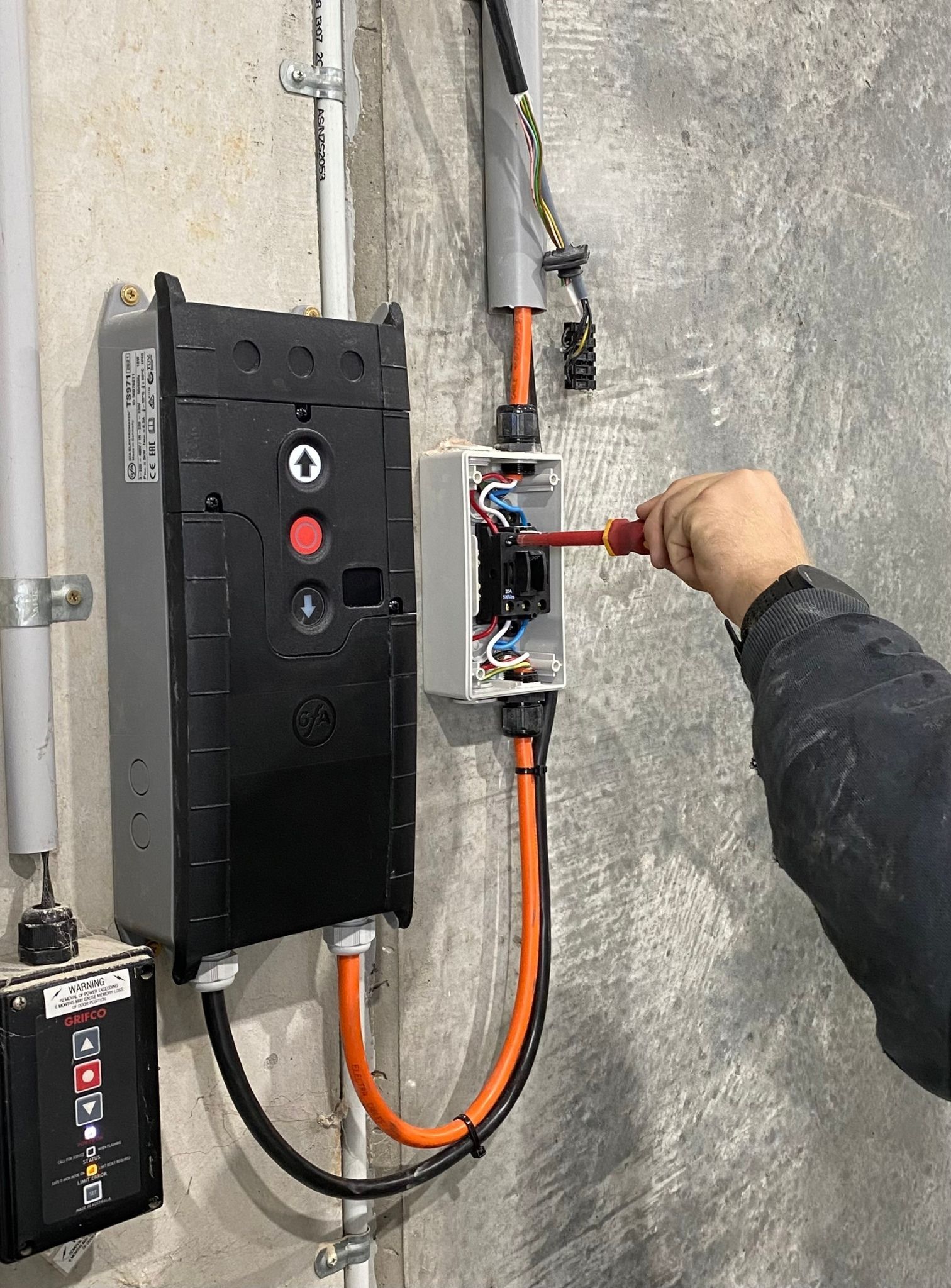
Electrical Inspections — Des Mullins Electrical & Solar in Wagga Wagga, NSW
By Des Mullins Electrical & Solar July 17, 2025
Protect your home and family with regular electrical inspections. Prevent hazards, ensure efficiency, and stay compliant with safety regulations.
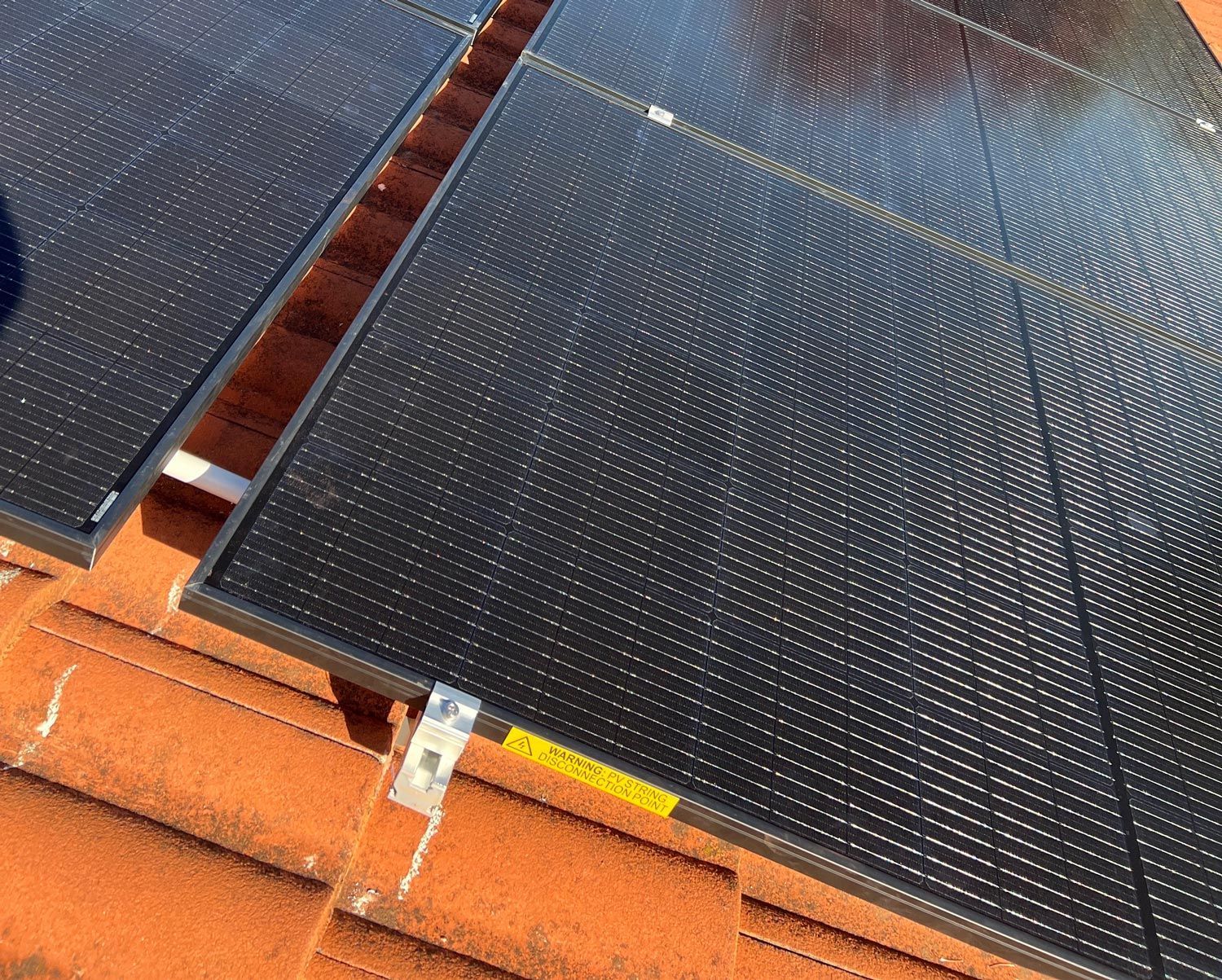
Solar Panels Carefully Installed On The Roof — Des Mullins Electrical & Solar In Wagga Wagga, NSW
By Des Mullins Electrical & Solar May 12, 2025
Find the best solar panels in Wagga Wagga for your home. Get expert tips on choosing reliable systems for efficient solar in Wagga Wagga.
A Quality Residential Solar Panel — Des Mullins Electrical & Solar In Wagga Wagga, NSW
By Des Mullins Electrical & Solar April 24, 2025
Discover how solar panels in Wagga Wagga work, their benefits and what to consider. Learn more and start your solar journey today.
Show More